
Eating Smart for Your Heart and Blood Sugar: A Guide to Managing Diabetes and High Blood Pressure
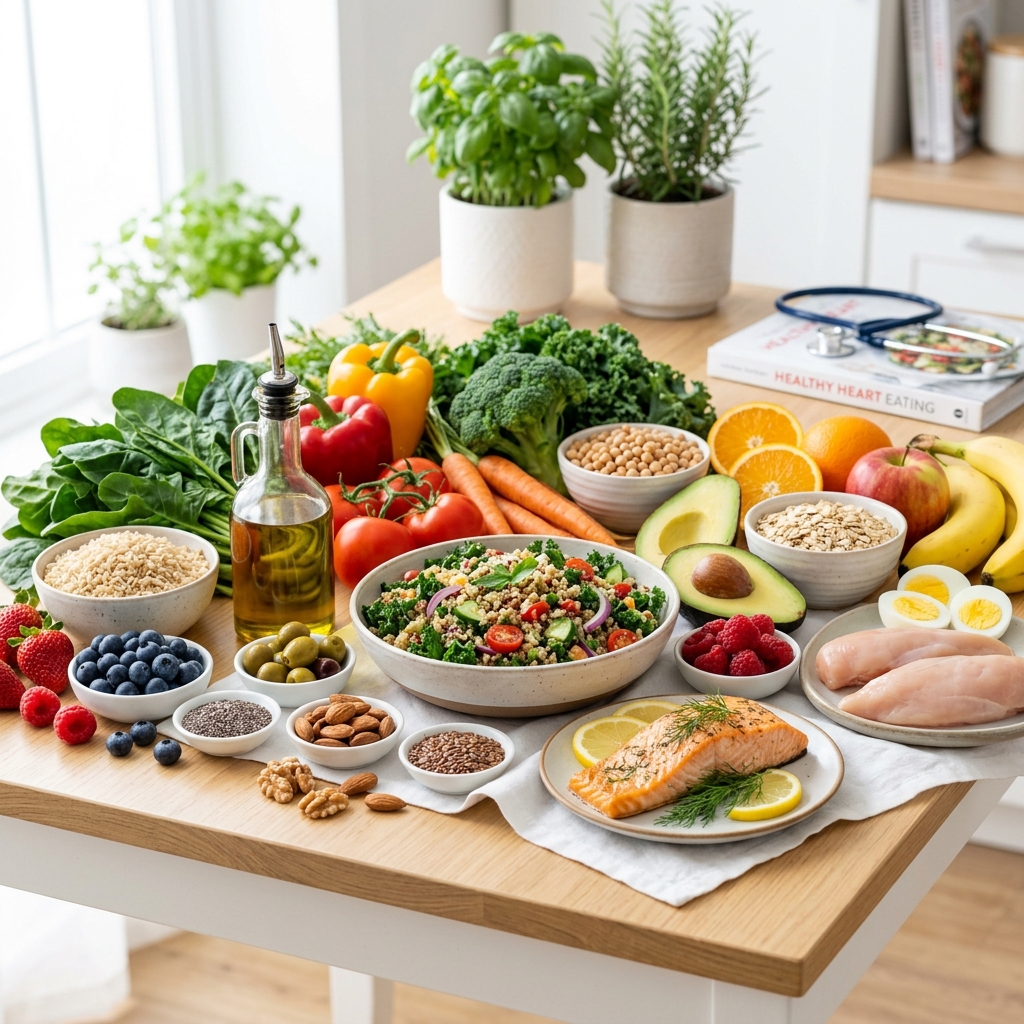
Managing chronic conditions like diabetes and high blood pressure (hypertension) can feel overwhelming, but one of the most powerful tools you have is right on your plate. What you eat directly impacts your blood sugar levels and your heart health.
At Kingsway Medical Center, your trusted Primary Care Physician Office in El Paso, we believe that food is medicine. By making smart, delicious, and culturally rich food choices, you can take control of your health without sacrificing flavor. Here is a practical guide to eating smart for your heart and blood sugar.
The Connection Between Diet, Diabetes, and Blood Pressure
Diabetes occurs when your body cannot properly process glucose (sugar), leading to high blood sugar levels. High blood pressure, on the other hand, means the force of your blood against your artery walls is too high, making your heart work harder than it should.
These two conditions often go hand-in-hand and share common risk factors, including poor diet, lack of physical activity, and carrying excess weight. The good news? A heart-healthy, blood-sugar-friendly diet can help manage both conditions simultaneously.
Key Principles of a Healthy Diet for Managing Diabetes and Hypertension
1. Watch Your Sodium (Salt) Intake
Too much sodium causes your body to retain water, which raises your blood pressure.
- Goal: Aim for less than 1,500 to 2,300 milligrams of sodium per day (about 1 teaspoon of salt).
- Tip: Limit processed foods, canned soups, and fast food, which are notorious for hidden sodium. When cooking your favorite El Paso dishes, try seasoning with herbs, spices, garlic, and lime juice instead of reaching for the salt shaker.
2. Choose Complex Carbohydrates Over Simple Sugars
Carbohydrates turn into sugar in your blood, but not all carbs are created equal.
- Simple Carbs: Found in sugary drinks, white bread, pastries, and candy, these cause rapid spikes in blood sugar.
- Complex Carbs: Found in whole grains (like brown rice, quinoa, and whole-wheat tortillas), beans, and vegetables, these digest slowly, providing steady energy and keeping blood sugar levels stable.
- Tip: Swap out white rice for brown rice and choose whole wheat or corn tortillas over flour tortillas.
3. Load Up on Fiber
Fiber is a superstar for both diabetes and heart health. It slows the absorption of sugar, which helps control blood glucose, and it helps lower cholesterol levels, protecting your heart.
- Best Sources: Beans (black, pinto, lentils), oats, fruits (like berries and apples), vegetables, and nuts.
- Tip: Add a side of pinto beans or a colorful salad to your meals.
4. Embrace Healthy Fats
Fats aren't the enemy, but the type of fat matters immensely.
- Avoid Saturated and Trans Fats: Found in fried foods, fatty meats, and processed snacks. These can clog arteries and worsen insulin resistance.
- Choose Unsaturated Fats: Found in olive oil, avocados, nuts, seeds, and fatty fish (like salmon). These fats protect your heart and help reduce inflammation.
- Tip: Use avocado instead of mayonnaise on sandwiches, and cook with olive oil instead of butter or lard.
5. Control Portion Sizes
Even healthy foods can lead to weight gain and elevated blood sugar if eaten in large quantities. Using the "Plate Method" is a simple way to manage portions without counting calories:
- Fill half your plate with non-starchy vegetables (spinach, broccoli, zucchini, peppers).
- Fill one-quarter of your plate with lean protein (chicken breast, fish, tofu, or beans).
- Fill the final quarter with complex carbohydrates (brown rice, whole grains, starchy vegetables like sweet potatoes).
Sample Heart-Healthy & Blood-Sugar-Friendly Day
- Breakfast: Oatmeal cooked with a dash of cinnamon, topped with fresh berries and a sprinkle of walnuts.
- Lunch: A large mixed greens salad with grilled chicken, black beans, corn, tomatoes, and a light olive oil and lime vinaigrette.
- Snack: Apple slices with a tablespoon of almond butter or a small handful of unsalted almonds.
- Dinner: Baked fish (like tilapia or salmon) with a side of roasted asparagus and half a cup of quinoa.
Partner with Your El Paso Primary Care Doctor
Changing your diet can be a journey, and you don't have to do it alone. Regular check-ups with your family doctor in El Paso are crucial to monitoring your blood pressure, A1C levels, and overall health.
If you have questions about your diet, need help managing your medications, or want to create a personalized health plan, the team at Kingsway Medical Center is here for you. As your dedicated Primary Health Care Physicians in El Paso, we are committed to helping you live your healthiest, most vibrant life.
Schedule an appointment with us today and let's work together toward a healthier you!
Disclaimer: The information provided in this article and any accompanying videos is for educational purposes only and is not intended to be a substitute for professional medical advice, diagnosis, or treatment. Always seek the advice of your physician or other qualified health provider at Kingsway Medical Center with any questions you may have regarding a medical condition or diet changes.
Need to see a doctor?
Our bilingual team is ready to provide compassionate care for your family.
Schedule an Appointment